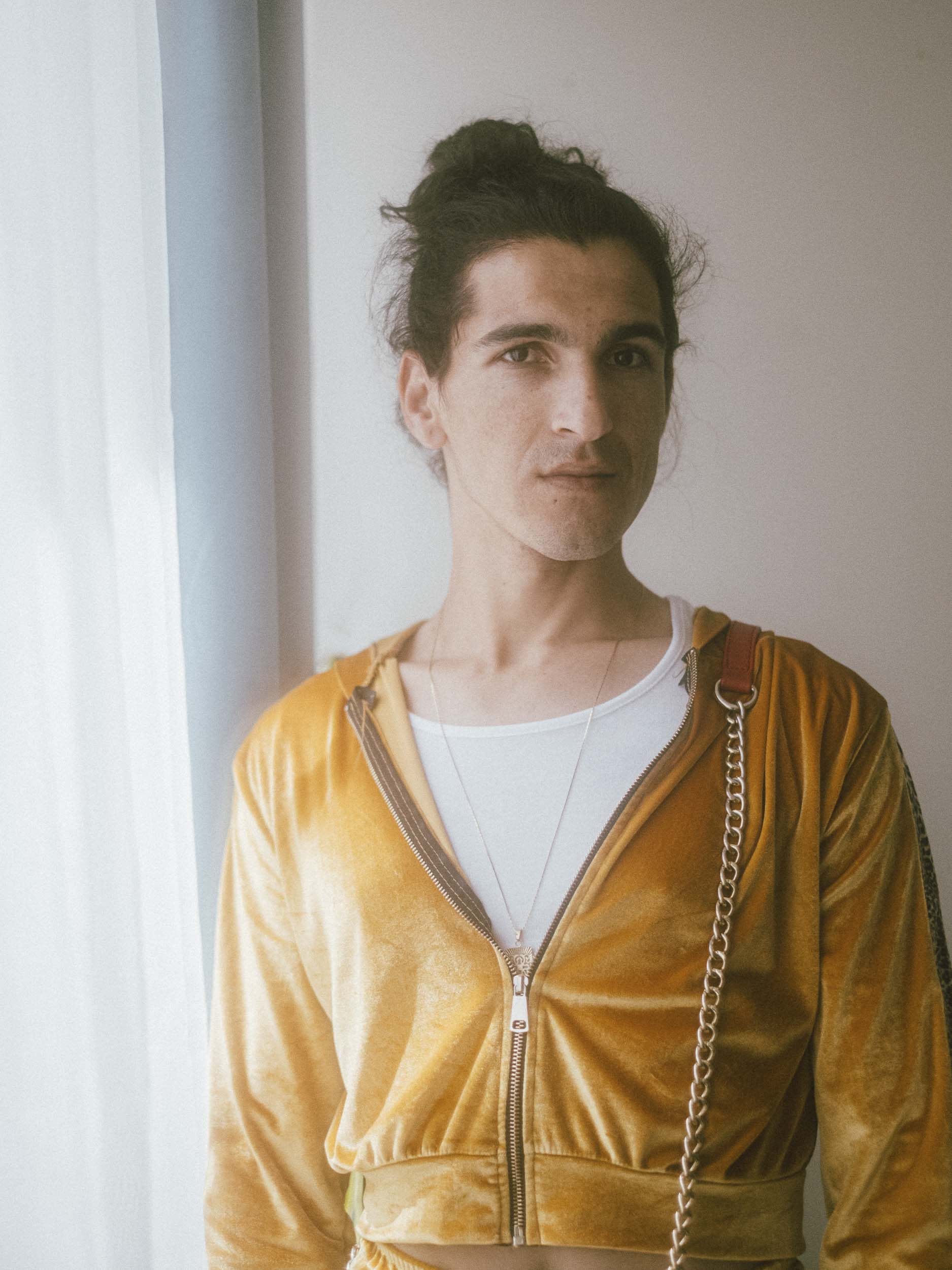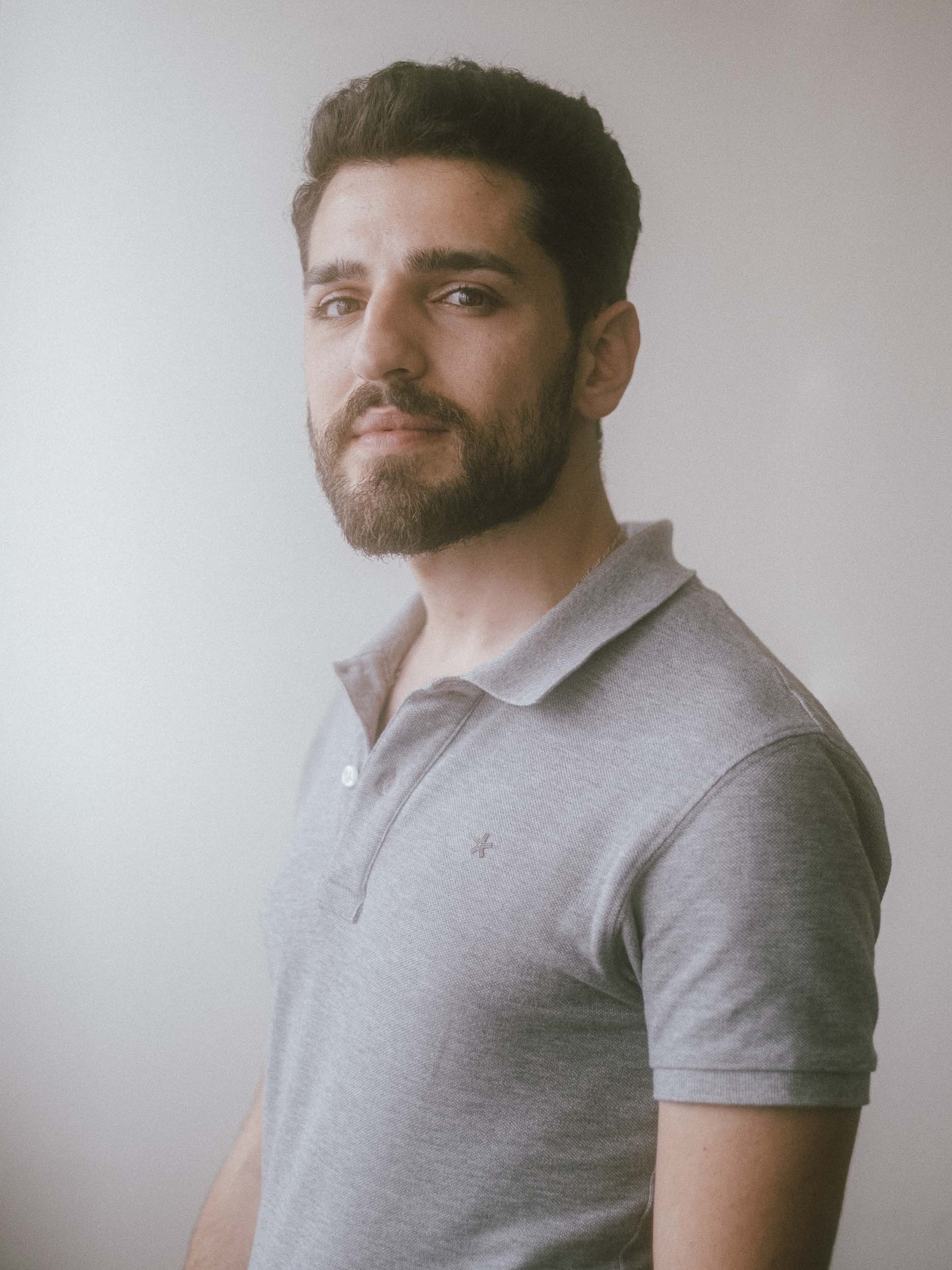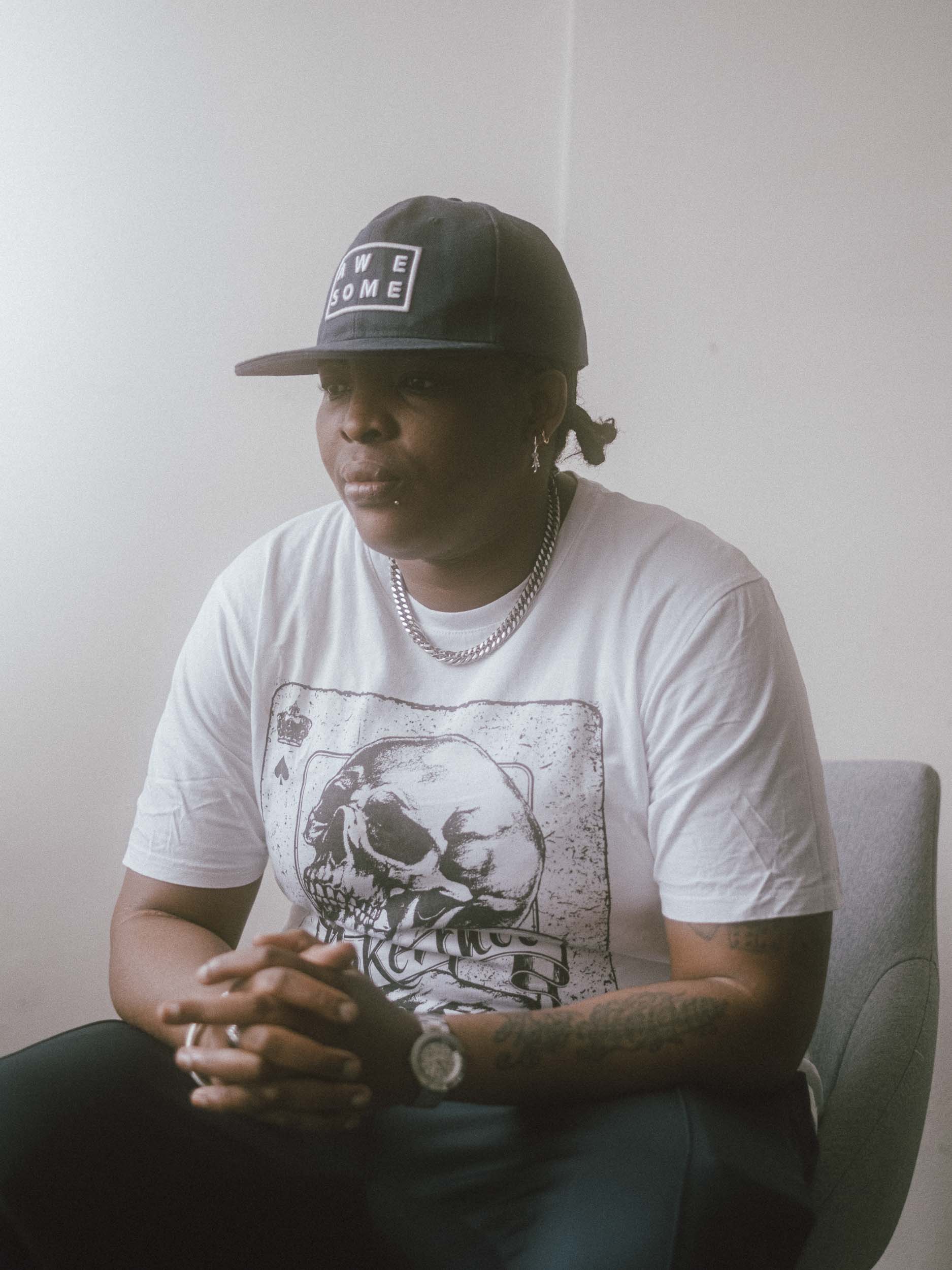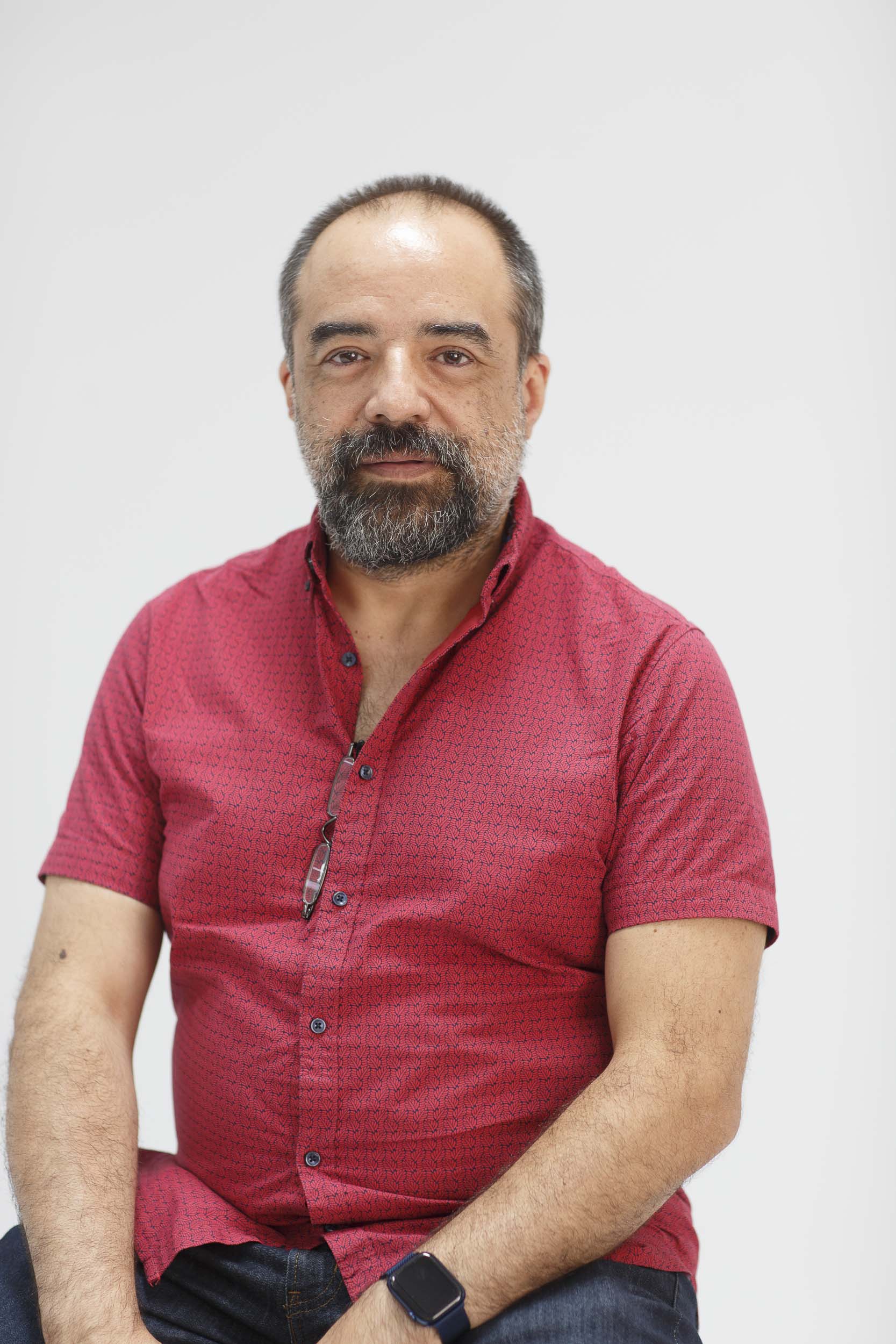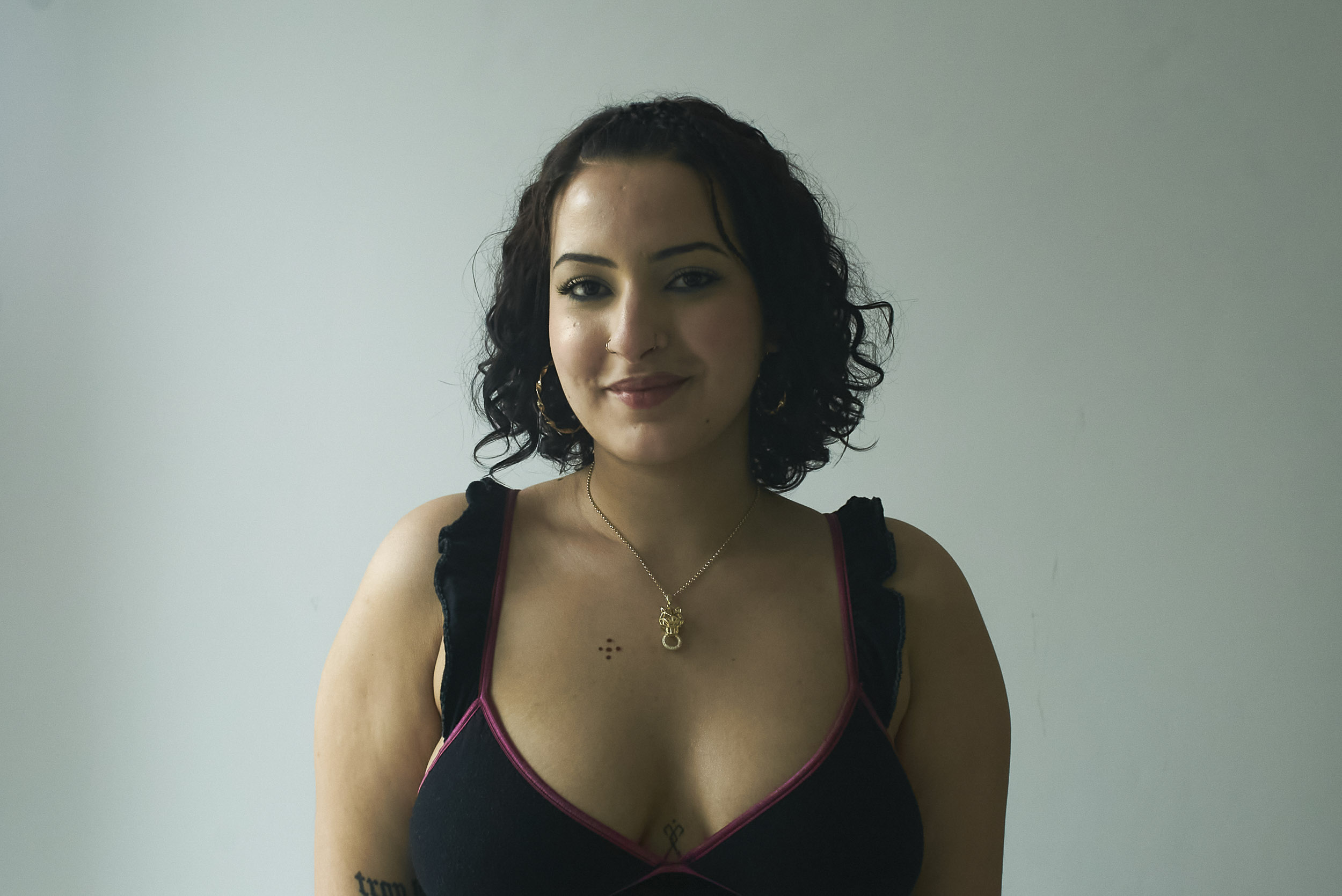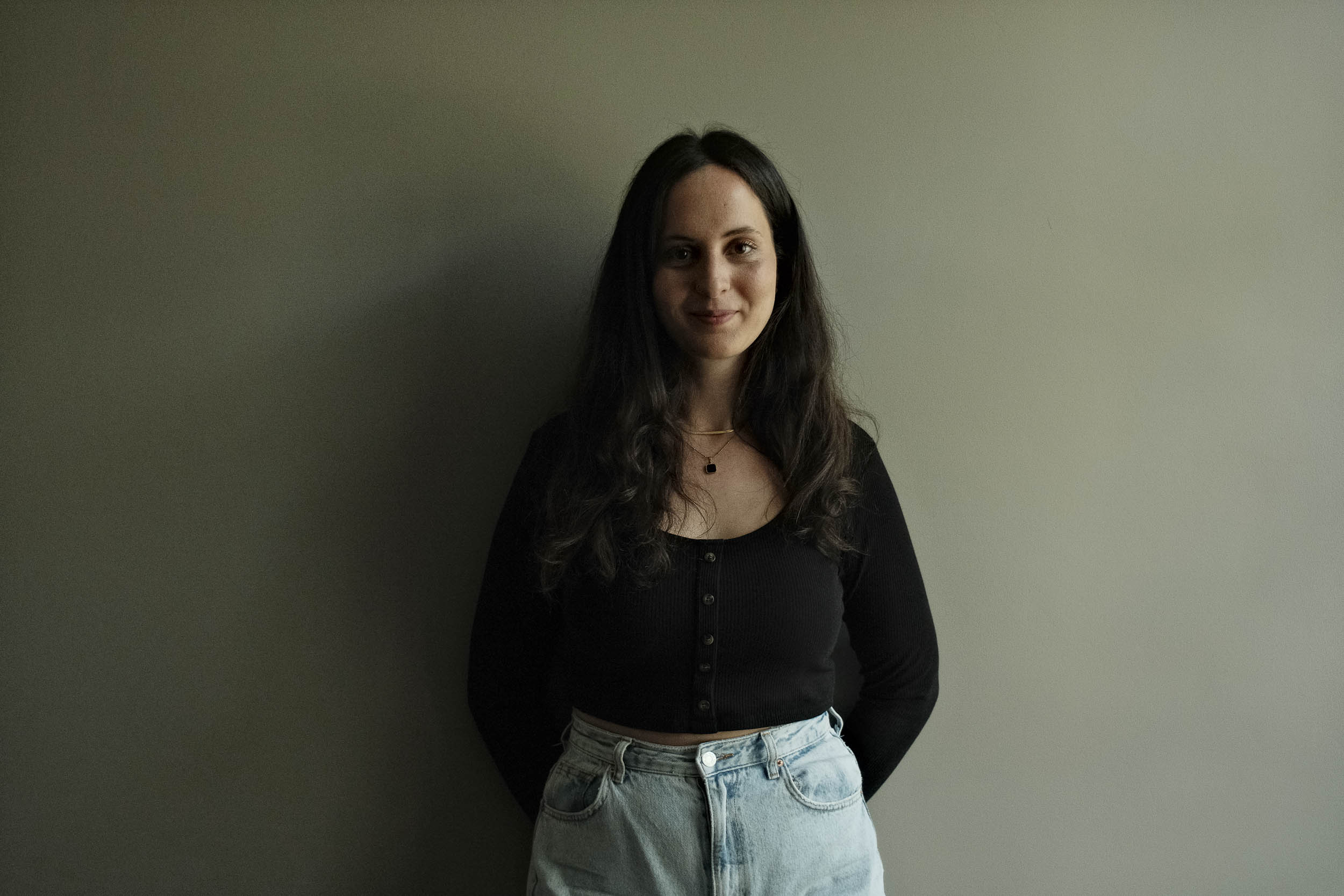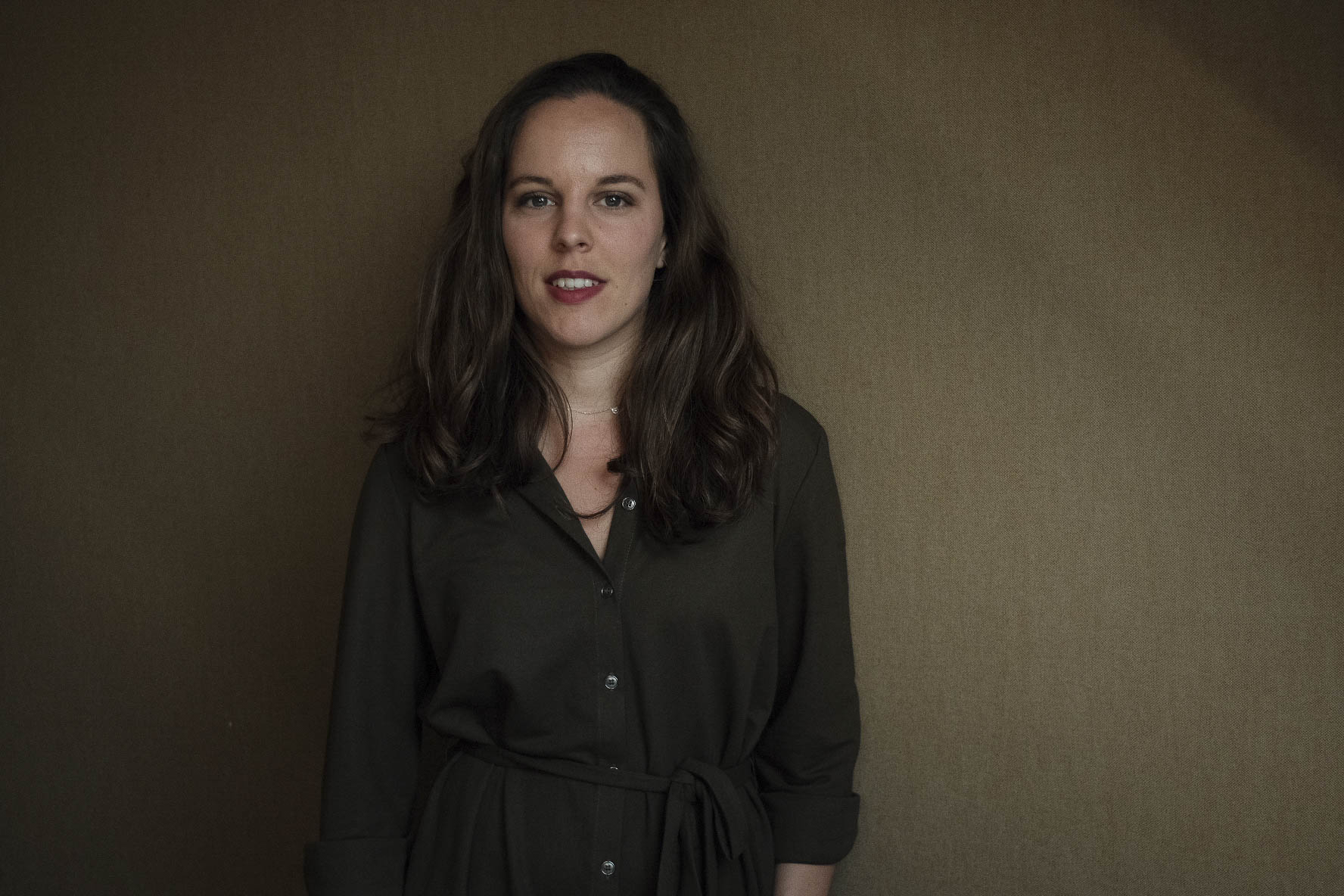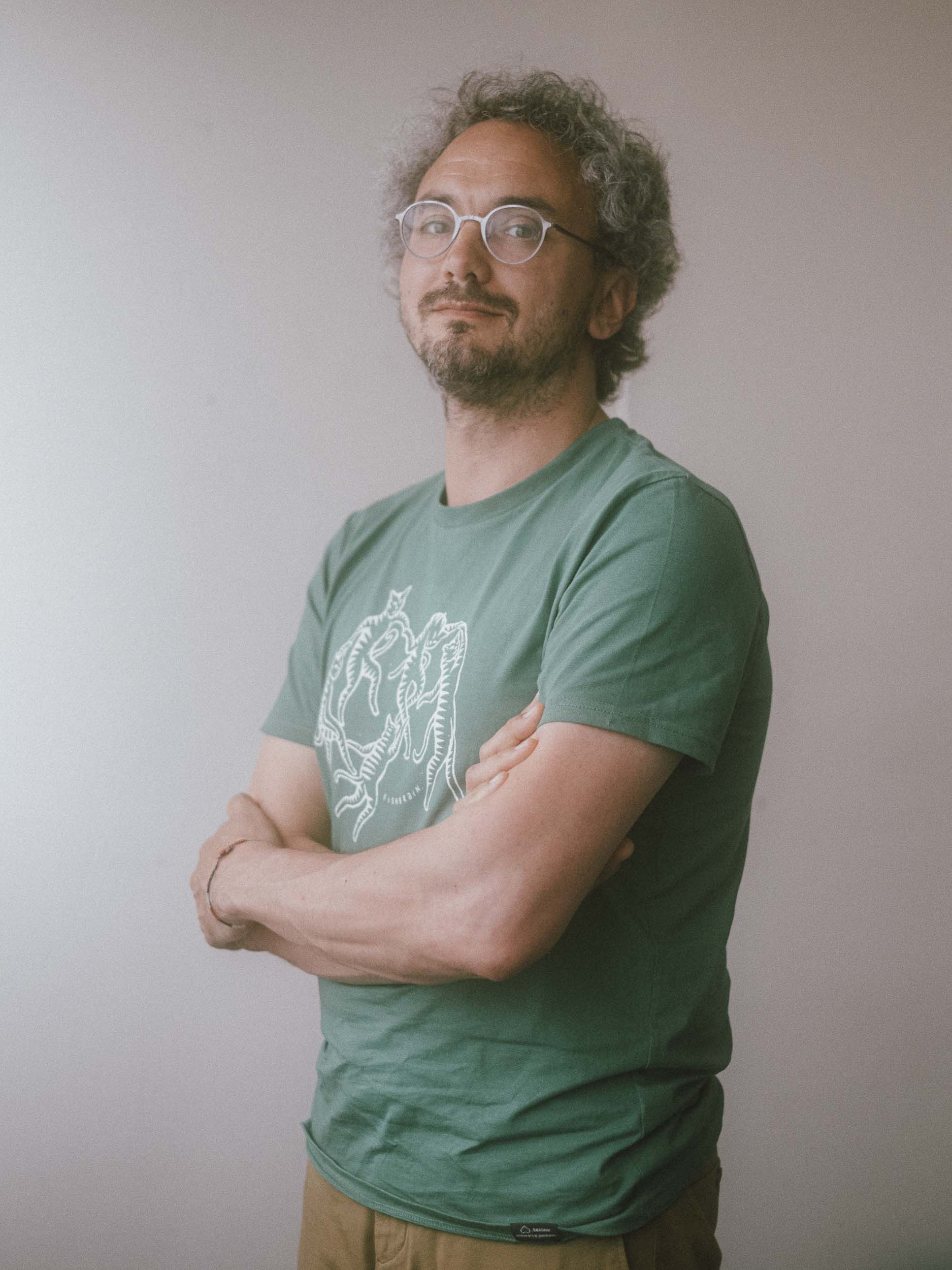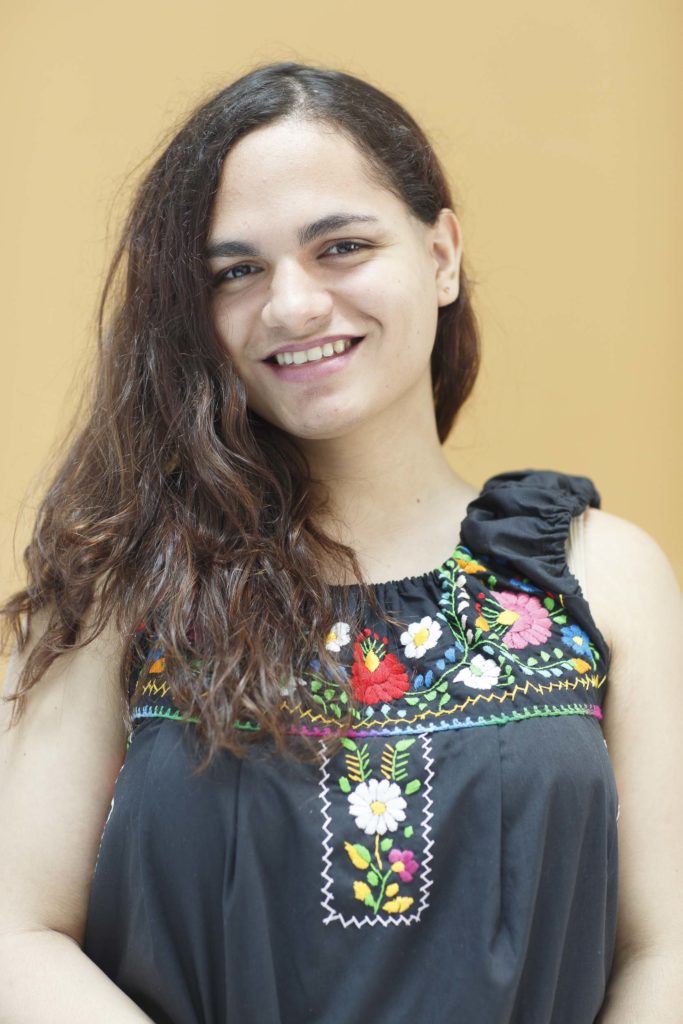
Jade

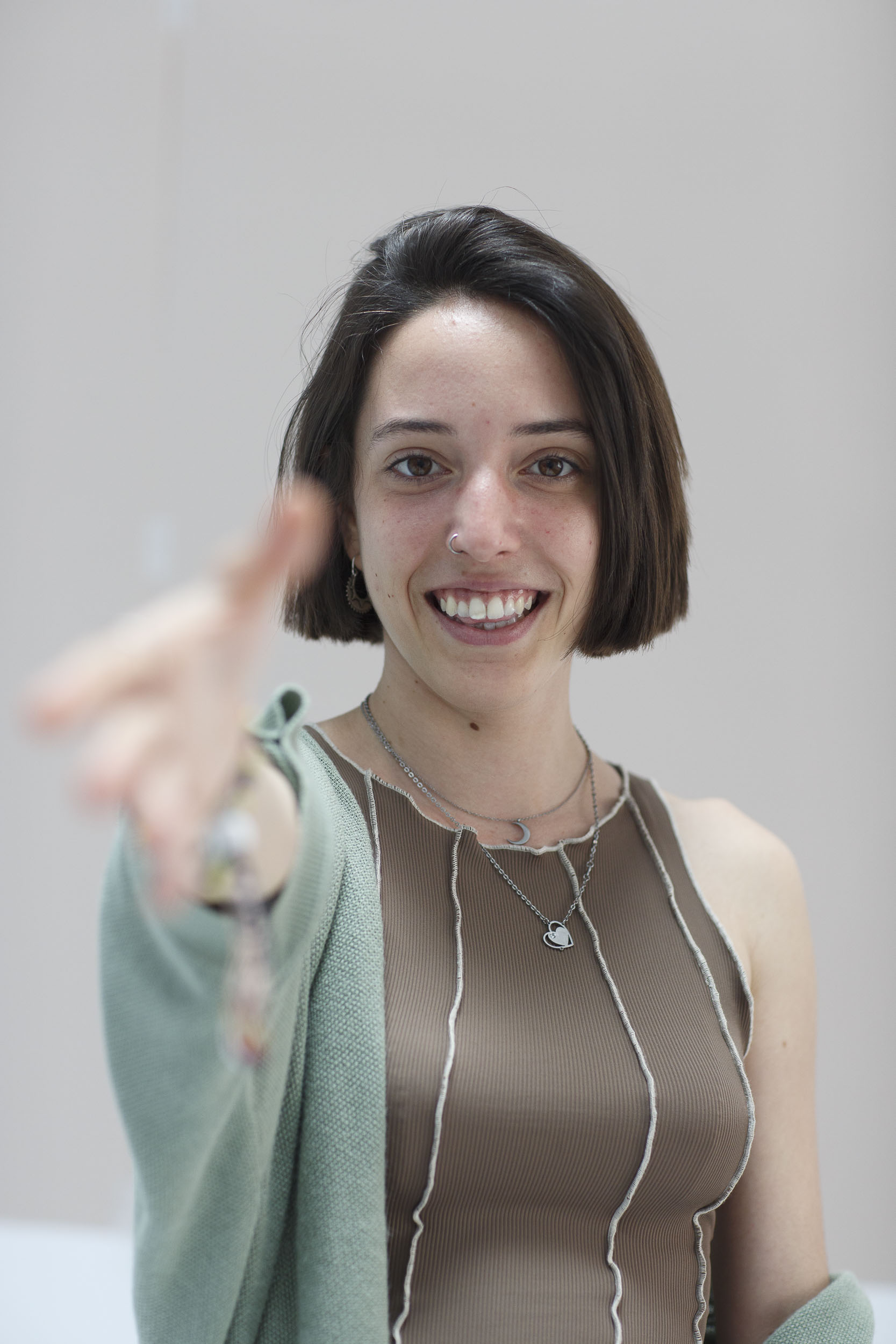
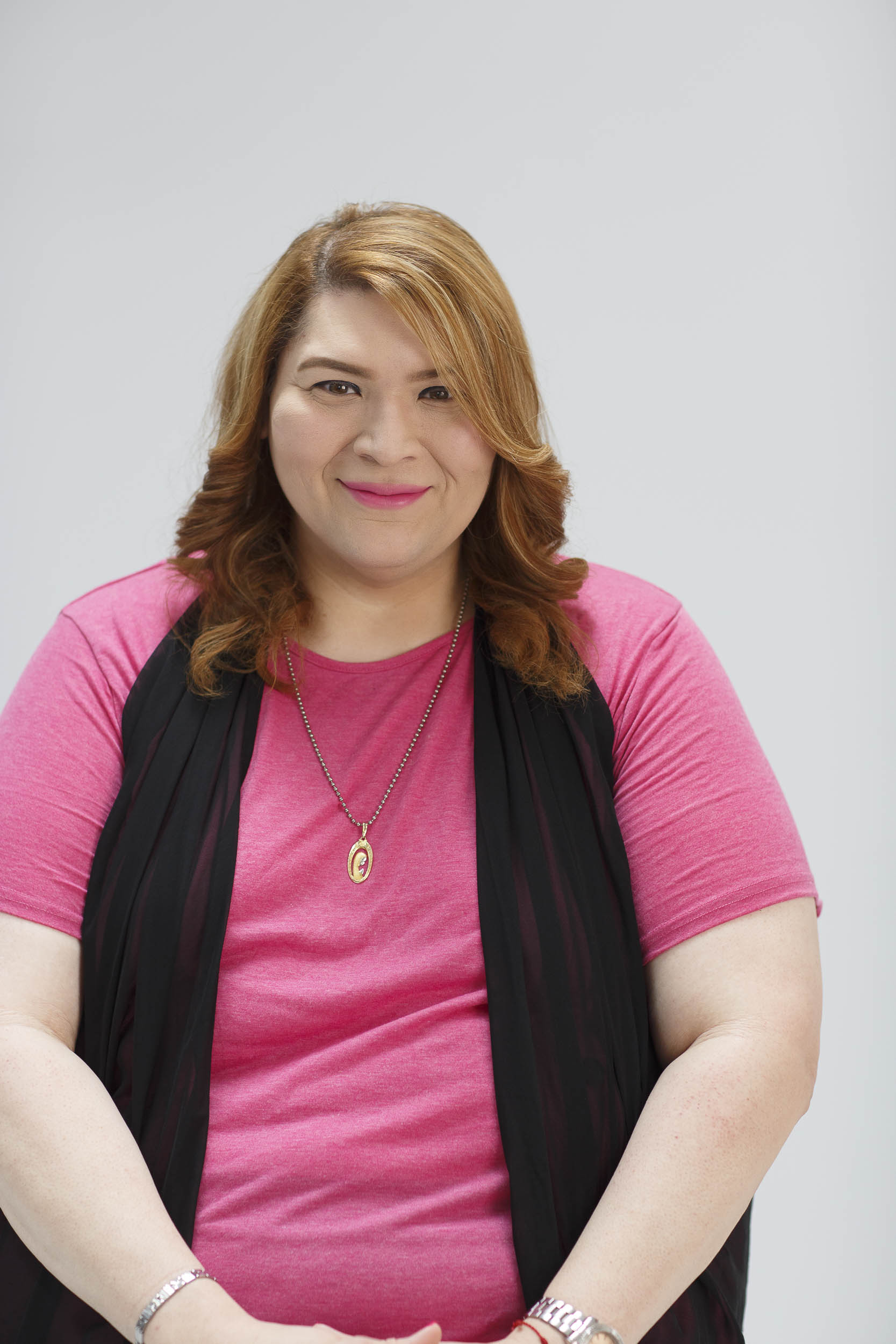
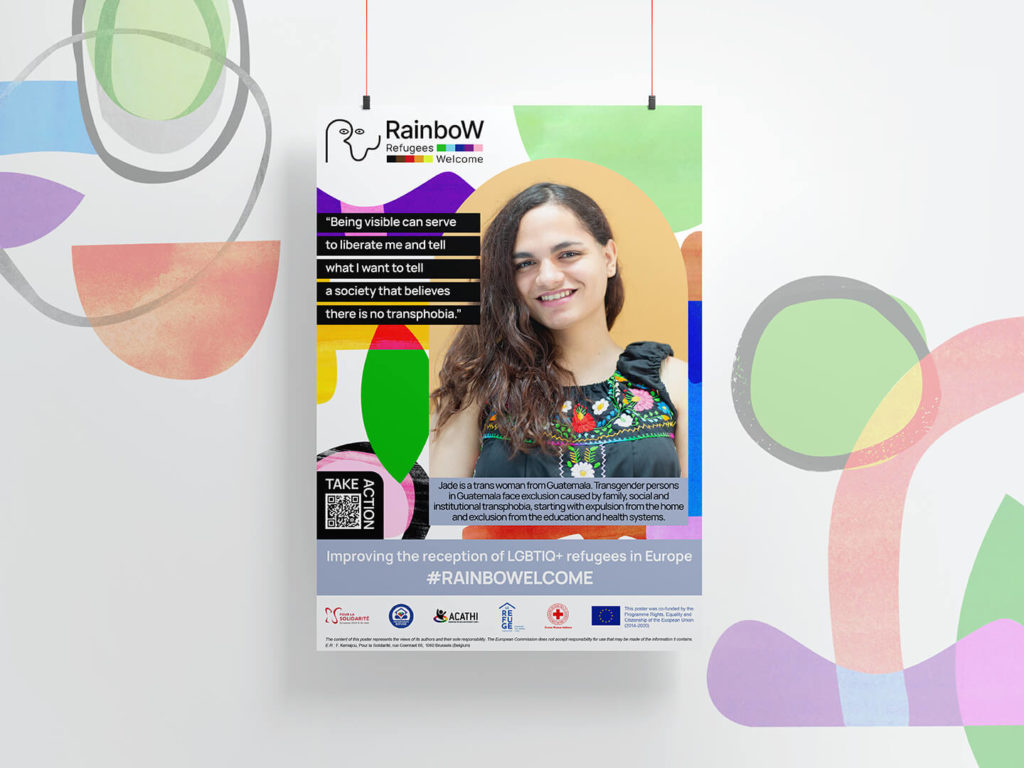
“Being visible can serve to liberate me and tell what I want to tell a society that believes there is no transphobia.”

© Nuria Prieto Escuer

Jade is a trans woman from Guatemala. She has actively participated in awareness-raising to achieve “Acceptance”, making herself visible “can serve to liberate me and tell what I want to a society that believes there is no transphobia. Before this project I had very low self-esteem and it is time for that to change. And I hope that society will become more and more open.

Transgender people in Guatemala face exclusion caused by family, social and institutional transphobia, starting with expulsion from the home and exclusion from the education and health systems. Public health institutions are usually inaccessible or inadequate for trans people. Staff are not trained to deal with sex-gender diversity, so trans people are commonly abused and mistreated by health care providers, and even subjected to forced therapies to “cure” or “treat” their gender identity or sexual orientation. Discrimination leads to the prevalence of sex work as a form of livelihood for transgender women and also fuels social stigma.
Share this testimony

Download the posters

Rodrigo

“The social network, the basis of inclusion, is built primarily on leisure.”

Zein

“We come here to have peace and to live our lives as human beings.”

Huguette

“When I was made visible, I had to leave everything, I was threatened with death.”

Claudia

“Trans people are vulnerable in a system that does not have a gender perspective adequate to their needs.”

Sara

“Take the time to learn about LGBTIQ+ asylum seekers’ specific needs.”

Emmanuel

“It is necessary to develop reception and accommodation facilities for LGBTIQ+ exiles in order to provide them with inclusive, caring and safe spaces. The multiplication of these centres across France will facilitate their asylum application process and their integration.”

Adil

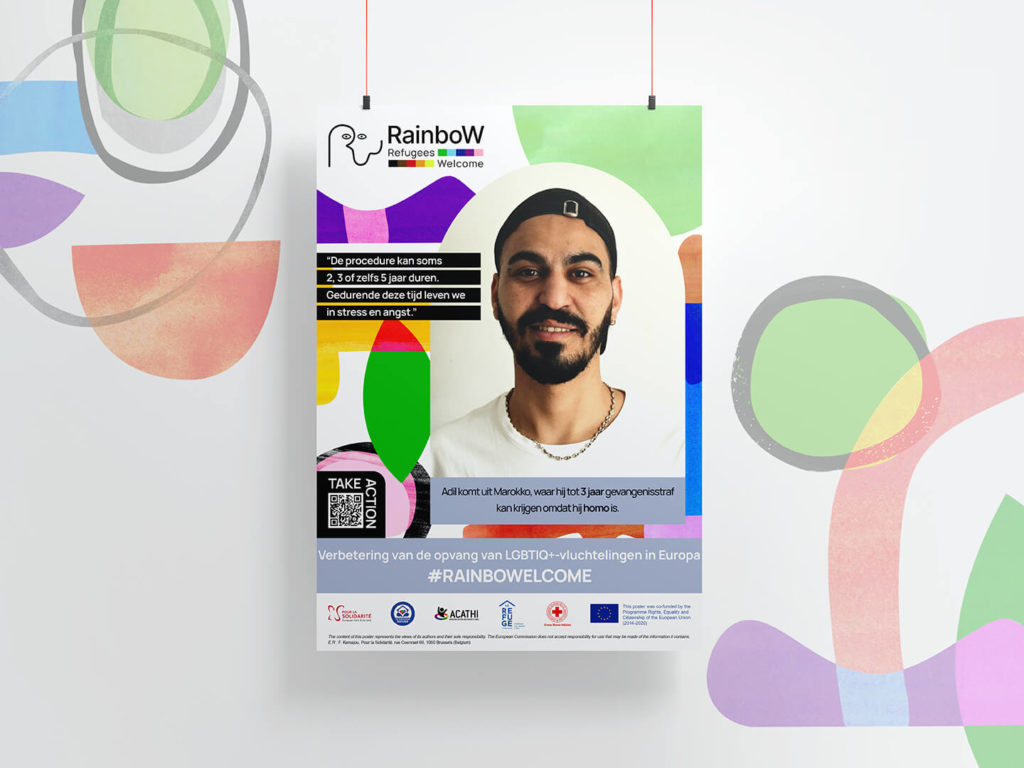
“The procedure can take 2, 3 or even 5 years sometimes. During this time we live in stress and fear.”

Emelyne

“One of the first requests here is for a cocoon, a space to call your own.”

Judit

“LGBTIQ+ people have specific needs that are invisible because of the cissexism present in the reception system.”

Arsène

“We need LGBTIQ+ associations in the reception centres. I didn’t have that.”

Rajae

“Being a lesbian in Morocco is so taboo that people wonder if it really exists.”

Jean-Loïc

“My partner was lynched by the crowd. Neither the police nor the justice system protected me. I had to flee my country to stay alive.”

Joana

“I grew up in an environment of hatred, I was surrounded by hatred.”

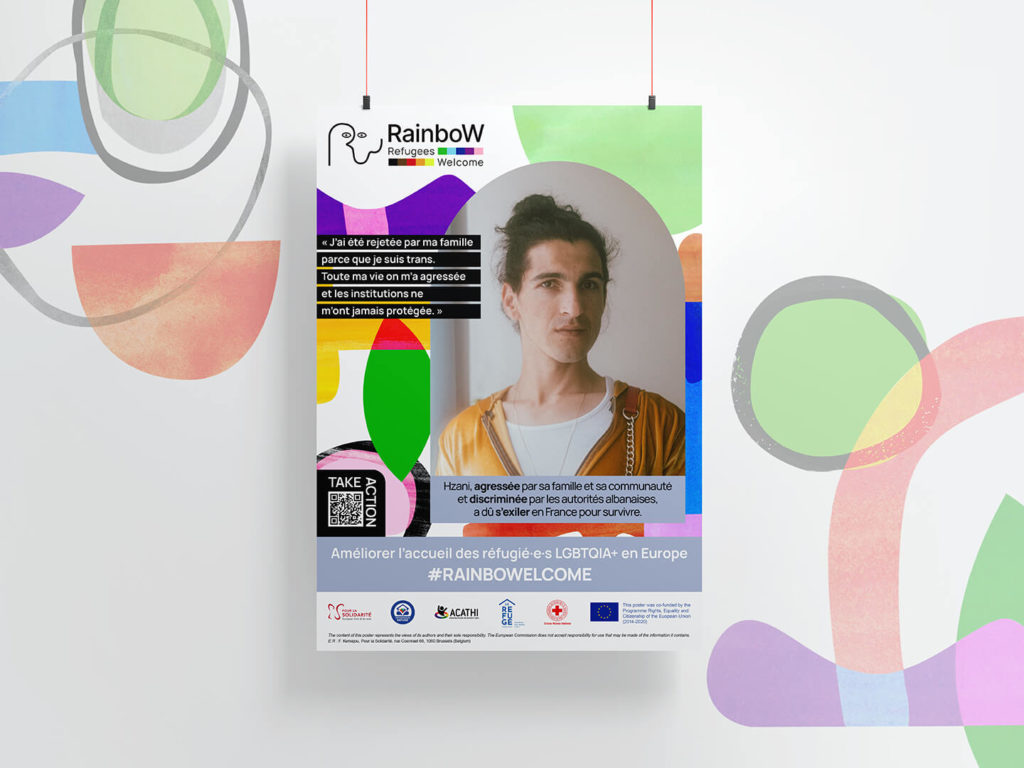
Hzani

“I was rejected by my family because I am trans. All my life I have been abused and institutions have never protected me.”

Iscriviti alla nostra newsletter!

L'universo visivo di Rainbow Welcome!

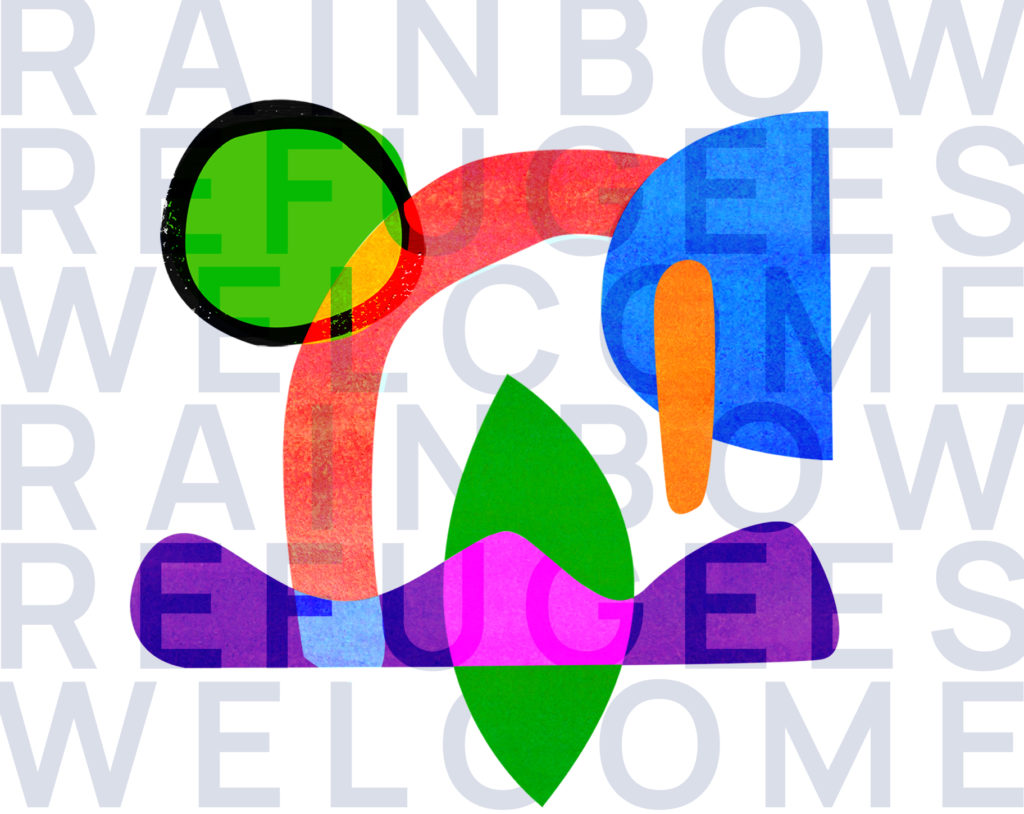
L’identità visiva di Rainbow Welcome! è stata sviluppata da Alison Roger France, in collaborazione con PLS e tutti i partner.

Ha studiato la complessità della sessualità, gli orientamenti sessuali, i generi, le espressioni di genere, le identità, le caratteristiche sessuali, la fluidità tra i vari spettri, ecc. Ha anche adottato un processo di creazione riflessivo che include il viaggio dei rifugiati nella vita e sulla terra per arrivare infine a quelle forme organiche la cui tostatura, i movimenti e le texture mirano a illustrare la molteplicità e la complessità di ognuno e di tutti gli individui. Naturalmente sono stati usati i colori della bandiera LGBTIQ+. L’insieme vuole essere dinamico, intrigante e … positivo. Il nostro messaggio è quello dell’accoglienza e dell’inclusione, come recita il nostro motto “Rainbow refugees, WELCOME!”.

Iscriviti alla nostra newsletter!

L'universo visivo di Rainbow Welcome!

L’identità visiva di Rainbow Welcome! è stata sviluppata da Alison Roger France, in collaborazione con PLS e tutti i partner.

Ha studiato la complessità della sessualità, gli orientamenti sessuali, i generi, le espressioni di genere, le identità, le caratteristiche sessuali, la fluidità tra i vari spettri, ecc. Ha anche adottato un processo di creazione riflessivo che include il viaggio dei rifugiati nella vita e sulla terra per arrivare infine a quelle forme organiche la cui tostatura, i movimenti e le texture mirano a illustrare la molteplicità e la complessità di ognuno e di tutti gli individui. Naturalmente sono stati usati i colori della bandiera LGBTIQ+. L’insieme vuole essere dinamico, intrigante e … positivo. Il nostro messaggio è quello dell’accoglienza e dell’inclusione, come recita il nostro motto “Rainbow refugees, WELCOME!”.